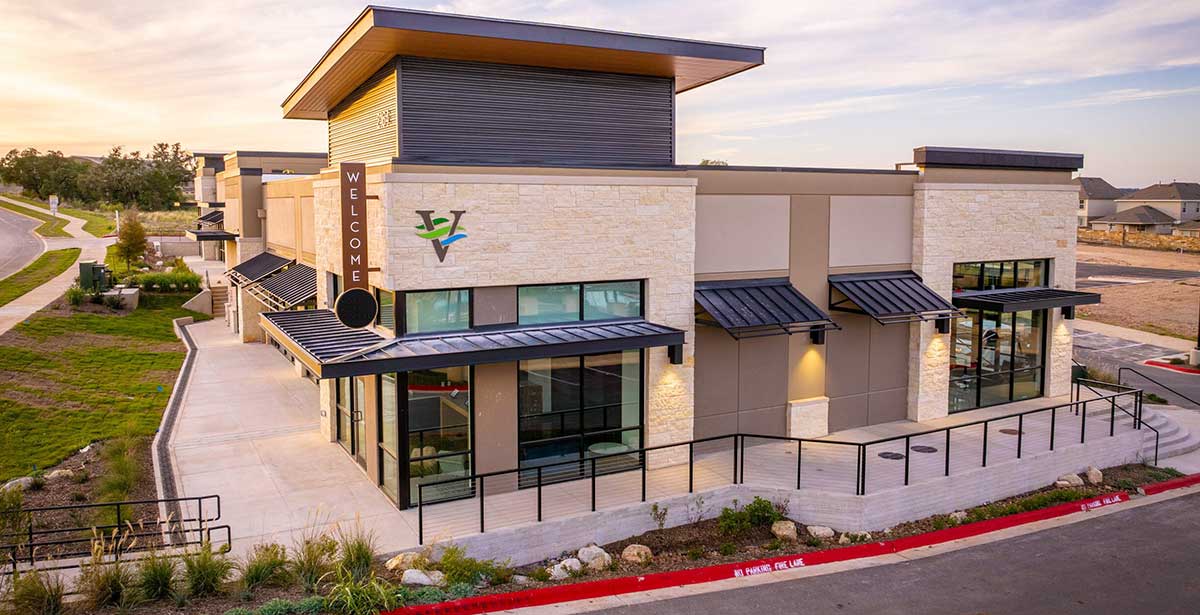
What Mixed-Use Development Means in Modern Community Design
Modern master-planned communities are designed to support how people live today. As lifestyles continue to evolve, mixed-use development has become a key component in creating places that feel connected, functional, and sustainable over time. By thoughtfully integrating residential, commercial, and recreational spaces, mixed-use environments help communities move beyond single-purpose development toward a more balanced, livable experience.
How Mixed-Use Planning Supports Daily Life
Mixed-use development brings daily necessities closer to home. When housing is planned alongside retail, dining, employment opportunities, and services, residents benefit from reduced travel time and increased convenience. This proximity supports more efficient daily routines and encourages stronger connections between where people live, work, and spend their time.
The Social Benefits of Integrated Community Spaces
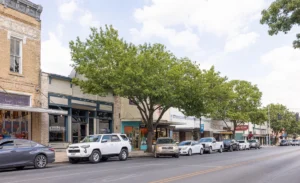
In modern community design, mixed-use planning also plays an important role in fostering social interaction. Shared spaces such as town centers, gathering areas, and walkable districts create natural opportunities for residents to connect. These environments help strengthen community identity by offering places where people can meet, engage, and participate in everyday activities without leaving the neighborhood.
Mixed-Use Development and Long-Term Community Resilience
Beyond lifestyle benefits, mixed-use development contributes to long-term community resilience. Integrating multiple uses within a master-planned community supports economic diversity and adaptability as markets and resident needs change. Commercial and service components evolve alongside residential growth, helping communities remain relevant and functional over time.
Planning Integrated Communities With Intention
At ASA Properties, mixed-use development is approached with intention. Planning begins with understanding how different uses interact and support one another within the broader community framework. The goal is not density for its own sake, but thoughtful integration that enhances daily life while maintaining balance and character.
As master-planned communities continue to shape growing regions, mixed-use development will remain a critical element in creating places that are connected, adaptable, and built to endure. When planned thoughtfully, mixed-use environments support both lifestyle and long-term value, contributing to communities where people can truly live, work, and connect.
FAQs
What is mixed-use development in a master-planned community?
Mixed-use development combines residential, commercial, and recreational spaces within a single, thoughtfully planned environment. In master-planned communities, this approach supports convenience, walkability, and stronger connections between daily activities.
How does mixed-use development benefit residents?
Mixed-use development reduces travel time by placing everyday services closer to home. Residents benefit from easier access to dining, shopping, workplaces, and gathering spaces, which supports more efficient routines and an improved quality of life.
Why is mixed-use planning important for long-term community success?
By integrating multiple uses, communities are better able to adapt as resident needs and market conditions change. Mixed-use environments support economic diversity and long-term relevance, helping communities remain functional and desirable over time.
How does mixed-use development support community connection?
Shared spaces such as town centers and walkable districts encourage interaction and engagement. These environments create natural opportunities for residents to connect, strengthening community identity and social ties.
How does thoughtful mixed-use planning differ from traditional development?
Thoughtful mixed-use planning focuses on balance and integration rather than density alone. It considers how residential, commercial, and recreational uses work together to enhance daily life while maintaining character and long-term sustainability.